From Imperfection to Precision: How AI Learned to Feel Fabric
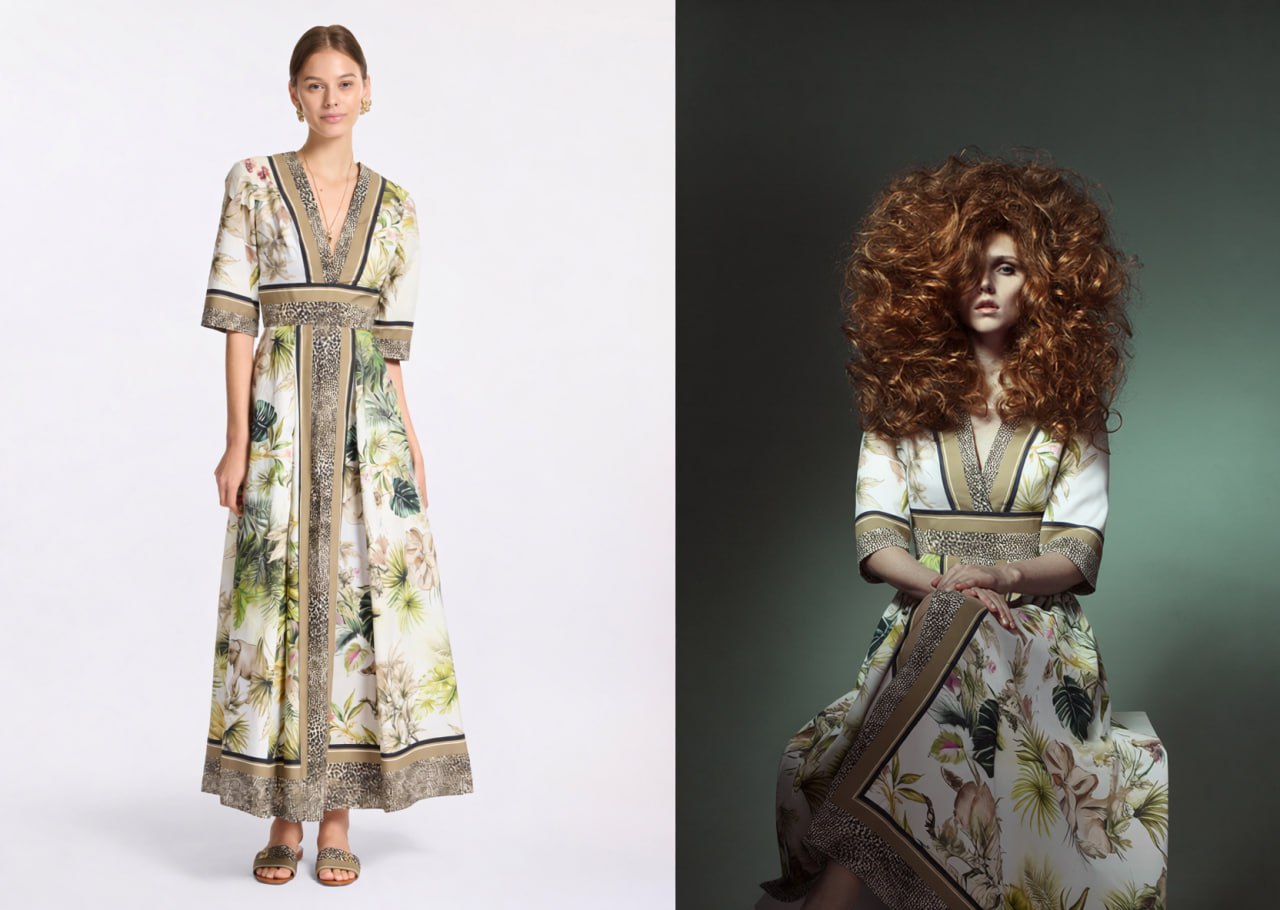
When we first started, virtual try-on looked like a simple concept. Just place a dress on a photo and make it look real. In practice, it turned into a long marathon of experiments and failures. The fabric would blur or lose its shape, sleeves would fade into the background, and long skirts seemed to float in the air. Each new test became a lesson in patience and determination, and every small success kept the belief alive that perfect alignment was possible.
Today, looking at the latest results, I can say with confidence that the breakthrough has happened. The fit on the body is precise. Light and shadows align naturally. Lace follows every curve, and even transparent fabrics preserve their texture and volume. Complex materials such as pearls, metallic shine, or pleats finally look realistic, as if the dress truly exists.
This journey has taken months of adjustments, model training, and careful observation. Every small change brought us closer to something that used to sound impossible: digital fashion that feels real.
What we see now is not just technology. It is craftsmanship expressed through algorithms. Our virtual try-ons have evolved from rough overlays into something that could be compared to digital haute couture.
My favorite moment is always the same. A model stands quietly against a white background, and the dress suddenly comes alive. In that moment, you realize that artificial intelligence has learned to understand more than shapes and colors. It has learned to feel the fabric.
Try These Tools Yourself
Create stunning fashion visuals with AI. Free daily generations, no credit card required.